


Freedom AND Opportunity — That’s the American Way
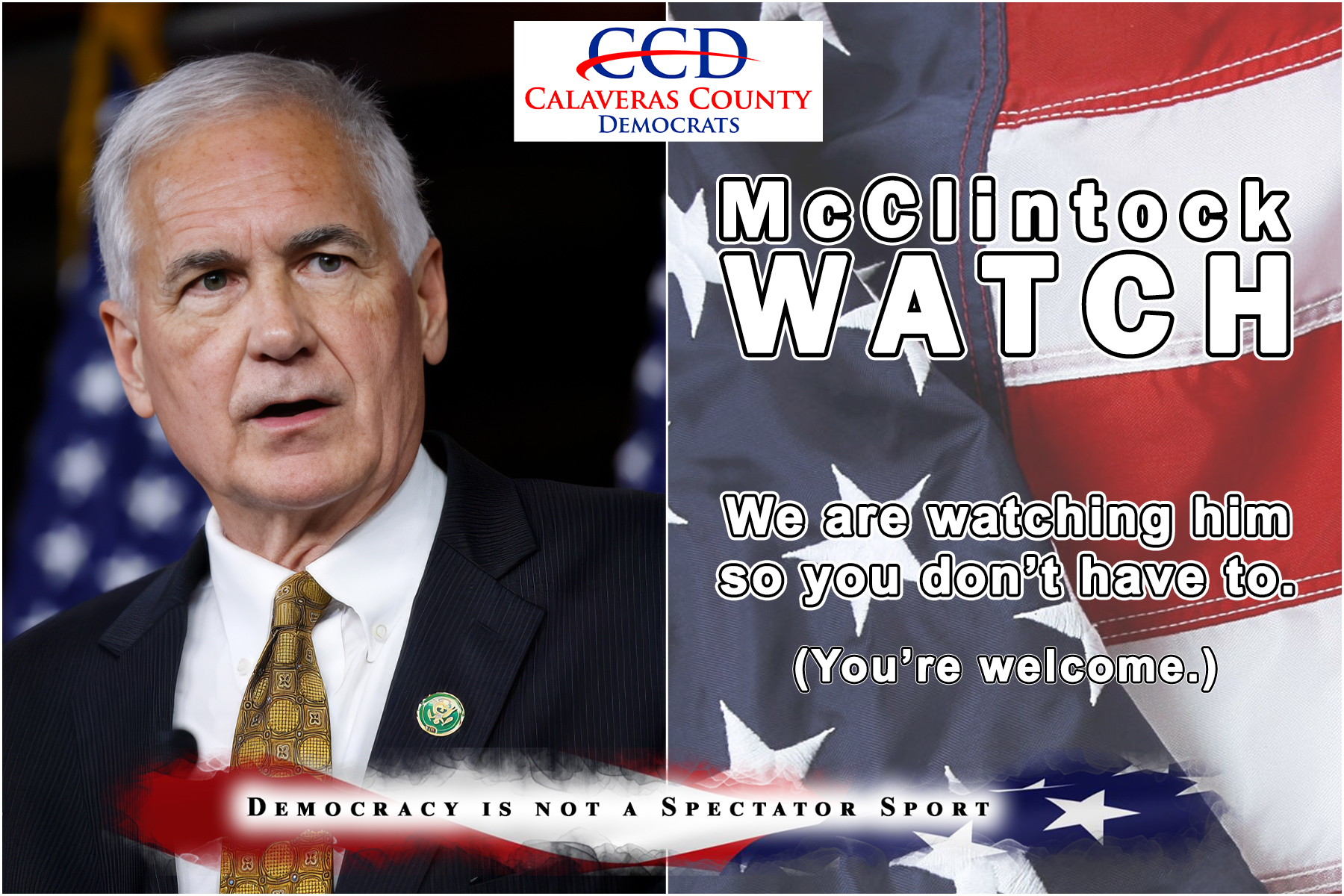
During a wide ranging interview after President Trump’s State of the Union speech with Kathy Grimes of the California Globe, Rep. Tom McClintock says it’s “Freedom or Socialism — one or the other… it can’t be both.”
That sounds dramatic like much of his commentary is. It also isn’t true.
America has never been “pure” anything. We are a free-market country with shared public systems that make freedom possible. Roads. Public schools. Fire departments. Social Security. Medicare. Veterans’ benefits. Rural electric cooperatives. Farm supports. Disaster relief. Public libraries.
You don’t have to be a socialist to want to drive on paved roads that don’t collapse under you.
You don’t have to be a socialist to want your kids educated.
You don’t have to be a socialist to want to afford to take your child to the doctor without mortgaging your house.
Calling every public investment “socialism” is a scare tactic. It’s been used for generations. Social Security was called socialism. Medicare was called socialism. The GI Bill was called socialism. Now they’re pillars of middle-class life.
If “socialism” simply means government doing things together that we cannot efficiently do alone, then we’ve had it since the Founders authorized a postal service and built lighthouses.
McClintock says socialism leads to “sky-high taxes, failing schools, failing electricity and water.” But rural America depends heavily on federal infrastructure dollars, agricultural subsidies, Medicare reimbursements, wildfire response funding, and Social Security checks. That’s not tyranny. That’s how rural communities survive.
Freedom isn’t just the absence of government. It’s the presence of opportunity.
You are not “less free” because your grandmother has Medicare.
You are not “enslaved” because firefighters are publicly funded.
You are not living in a socialist dystopia because veterans receive VA care.
What’s ironic is that many of the policies McClintock celebrates rely on government intervention — tax credits, subsidies, Opportunity Zones, federal incentives for manufacturing. That’s government picking winners and losers too. It’s just branded differently.
Republicans often use the word “socialism” to describe:
- Universal health care proposals
- Student debt relief
- Environmental protections
- Public childcare support
- Affordable housing programs
But they rarely use that word when discussing:
- Farm subsidies
- Oil and gas tax breaks
- Corporate bailouts
- Disaster relief
- Medicare
- Social Security
- The military budget
Apparently, some government spending is “freedom,” and some is “socialism.” The difference often depends on who benefits.
McClintock frames the debate as if we must choose between total government control and total individualism. That’s a false choice. America has always blended private enterprise with shared public investment.
The real question isn’t Freedom or Socialism.
The real question is: Who is government working for?
Is it working families trying to afford housing and health care?
Or is it corporations receiving permanent tax advantages? (The One Big Beautiful Bill)
Is it rural communities trying to keep hospitals open?
Or is it political messaging designed to scare voters with labels? (Radical Left-Wing Lunatics, Domestic Terrorists)
You don’t strengthen freedom by shouting “socialism” every time someone proposes lowering prescription drug costs.
You strengthen freedom when working people can start a business without losing health insurance.
You strengthen freedom when seniors can retire with dignity.
You strengthen freedom when families can survive a wildfire because federal emergency systems exist.
That’s not socialism.
That’s America – all of it, all of us.
And reducing every debate to a Cold War slogan might generate applause lines, but it doesn’t solve real problems in real communities.
Freedom isn’t fragile because we build things together.
Freedom is fragile when we let fear replace facts and don’t make the kinds of public investments in infrastructure, education, medical care, the social safety net and institutions that ensure we all have equal access to the American Dream, and the means to pursue it.